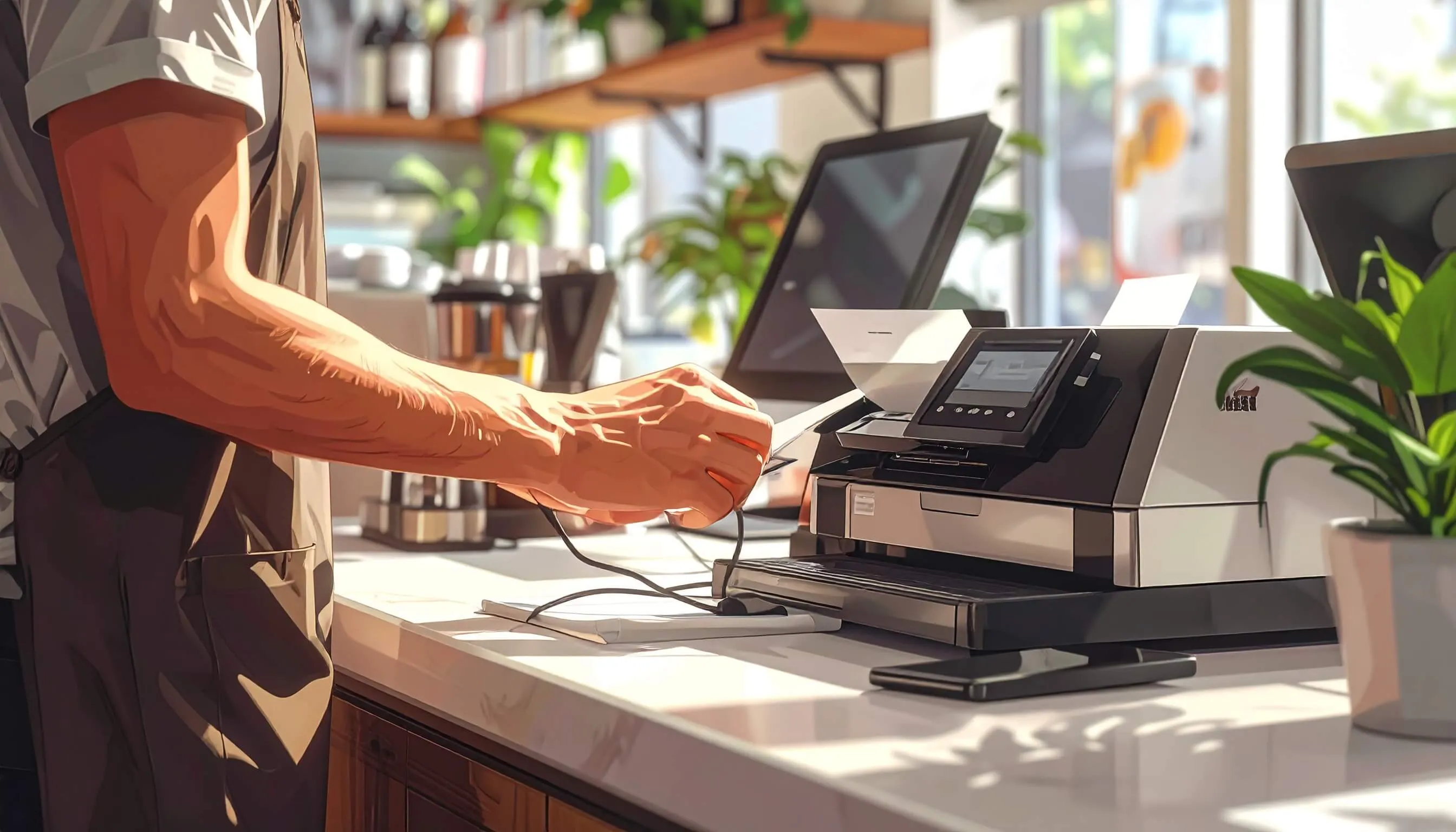
In today's digital age, efficiency and speed are key to success — and that's exactly what a point of sale solution (Point of Sale system) delivers. Whether you're running a supermarket, restaurant, pharmacy, or small retail store, a properly configured retail system simplifies sales, automates billing, tracks inventory, and enhances customer experience.
If you're wondering how to set up a retail platform for your business — or even how to create your own using PHP, this article will walk you through everything step by step. From hardware requirements and software installation to billing system setup in Sri Lanka, you'll learn how to get started quickly and efficiently — the same setup process our team follows when onboarding new possystem.lk customers across the island.
What is a POS System?
Before setting up, let's clarify the meaning of sales system.
A sales software is a combination of hardware (like a barcode scanner, receipt printer, and cash drawer) and software (for sales and inventory management). It's the modern version of a cash register — but smarter, faster, and connected to your business data.
Some popular examples include:
- QuickBooks Retail checkout System
- Oracle store System
- Odoo Cloud Based business System
- POSSystem.lk System
- POSSystem.lk in Sri Lanka
These systems are designed to help you manage sales, track customer information, and monitor stock levels in real-time.
Choose the Right Type of POS System
Not all point of sale solutions are the same. The first step is to pick one that matches your business type and workflow. Explore our advanced retail system features to see what's available for your business.
Common Types of POS Systems
- Retail billing System: Ideal for clothing stores, supermarkets, and electronics shops.
- Restaurant sales System: Supports table management, kitchen printing, and order tracking.
- Pharmacy checkout System: Manages prescriptions, stock expiry, and barcode-based sales.
- Cloud-Based store System: Accessible from anywhere, ideal for multiple branches.
- Mobile or Android business System: Runs on tablets or smartphones.
- Free/Open Source retail System: Best for startups or students (e.g., PHP billing System Free Download).
If you're based in Sri Lanka, local options such as POSSystem.lk, POSSystem.lk Pvt Ltd, and POSSystem.lk offer reliable software and hardware packages for retail and hospitality industries. Check out our competitive pricing options.
Gather Your POS Hardware
A sales software isn't complete without the right hardware. Here's what you'll need to set up your workstation:
| Hardware Component | Description |
|---|---|
| sales Terminal / Computer | The main machine running the checkout software |
| Barcode Scanner | Reads product barcodes for fast billing |
| Receipt Printer | Prints customer invoices |
| Cash Drawer | Securely stores cash transactions |
| Customer Display Screen | Shows prices and totals during checkout |
| Card Reader (Optional) | For credit/debit card payments |
For mobile setups, an Android business solution (tablet or smartphone) can replace most traditional devices.
Choose and Install POS Software
The next step is installing your store software. Depending on your business model and budget, you have several options.
Cloud-Based POS System
A cloud based business system is web-based and accessible from anywhere. It's ideal for multi-branch stores and online businesses.
Examples:
- QuickBooks retail System
- Open-source billing platforms
- Oracle sales System
Benefits:
- No installation required
- Automatic updates and backups
- Real-time analytics
Offline or Desktop POS System
If your business operates in areas with limited internet access, an offline PC-based checkout system is perfect.
You can install open-source tools like the PHP store System Freeware or the Excel business System for small-scale setups.
Steps to Install:
- Download the retail installer (e.g., PHP billing System Free Download or retail sales system software).
- Follow the setup wizard instructions.
- Connect hardware devices such as printers and barcode scanners.
- Configure store details and tax settings.
Build Your Own POS System Using PHP
Developers or IT students in Sri Lanka often choose to create custom checkout systems using PHP and MySQL.
Here's a simplified version of how to get started:
- Set up your environment: Install XAMPP or WAMP to host your PHP project.
- Design the database:
- CREATE TABLE products (
- id INT AUTO_INCREMENT PRIMARY KEY,
- name VARCHAR(100),
- price DECIMAL(10,2),
- stock INT
- );
- Develop core modules: Billing, sales, product management, reporting.
- Add a dashboard: Build a store system dashboard for admins to view data.
- Integrate payment systems: Include APIs for card or mobile payments.
- Deploy to cloud: Convert it into a cloud based business system for remote access.
This approach gives you complete control over your system, ideal for projects like a university retail system or startup prototype.
Configure Your POS Settings
Once your billing software is installed, configure it according to your business requirements.
Key Configuration Areas
- Store Details: Name, address, logo, and tax registration.
- Product Catalog: Add categories, product names, barcodes, and prices.
- User Accounts: Create roles (Admin, Cashier, Manager).
- User Payments: Set up cash, card, and online payments.
- Inventory Management: Enable stock tracking and reorder alerts.
- Invoice Settings: Customize invoice format and receipt logo.
If you're using a restaurant sales system Sri Lanka, configure table numbers and kitchen printers as well.
Test Your POS System
Before going live, test your checkout setup to ensure everything runs smoothly.
Test Checklist
- Add test products and perform a sale.
- Check if the receipt prints correctly.
- Verify that stock is automatically updated.
- Test customer display updates.
- Review the store system dashboard for accurate reports.
If you find any errors, revisit your solution database design or software settings.
Enable Cloud or Online Access (Optional)
For businesses with multiple outlets, switching to a cloud-based business system offers greater flexibility and real-time access.
Advantages of Cloud Based POS System
- Data accessible from any location
- Centralized inventory for all branches
- Automated backups and updates
- Integration with eCommerce platforms like WooCommerce retail System
If you're using a PHP billing system, host your project on a web server or cloud platform like AWS, DigitalOcean, or Hostinger.
Train Staff and Start Using Your POS System
Once everything is ready, train your staff to ensure smooth operation. Contact our support team for help with training and implementation.
How to Use a POS System (Basic Workflow)
- Log in as a cashier or admin.
- Scan the product or search by name.
- Apply discounts or offers if applicable.
- Select payment type (cash/card).
- Print the invoice and update inventory.
This process works similarly across pharmacy sales systems, bakery checkout systems, and restaurant store systems.
POS System Cost and Price in Sri Lanka
If you're buying a business system in Sri Lanka, prices vary based on brand and features.
| POS Type | Average Cost |
|---|---|
| Free retail System | LKR 0 – Open-source |
| Basic Retail billing System | LKR 60,000 – 100,000 |
| Cloud Based sales System | LKR 5,000 – 15,000/month |
| Advanced checkout System | Custom pricing (POSSystem.lk) |
POSSystem.lk Pvt Ltd provides both store machines and software installation support across the island with comprehensive training and lifetime warranty.
POS System Advertising & Marketing Tips
If you're a developer or company selling business solutions, focus your platform advertising on reliability.
Effective Marketing Ideas
- Create a professional website showcasing your retail system UI and dashboard.
- Share billing system advertisements on Facebook and LinkedIn, targeting small businesses.
- Publish demo videos of your POS system cashier screen and real-time reports.
- Offer a free POS system trial or a freeware version to attract new users.
Highlight features like cloud backup, inventory alerts, and multi-device access to stand out from competitors like QuickBooks POS System or Oracle POS System.
Advanced Setup Tips
For businesses or developers who want to go further:
- Integrate with QuickBooks or Odoo for accounting.
- Add a customer loyalty program for repeat buyers.
- Develop a mobile version for Android POS usage.
- Include analytics dashboards for sales trends.
- Use APIs to connect with e-commerce sites and online payment gateways.
These features make your POS system modern, scalable, and future-proof.
Conclusion
Setting up a POS system isn't just about installing software. It's about building a foundation for faster operations, better customer service, and smarter decision-making.
Whether you choose a free POS system, a cloud-based POS system, or develop your own PHP POS system, following the setup steps above ensures your business runs smoothly and efficiently.
From retail POS systems to restaurant POS systems in Sri Lanka, every successful business today relies on a strong, reliable POS solution.
So, take the first step today, set up your POS system, streamline your operations, and watch your business grow.